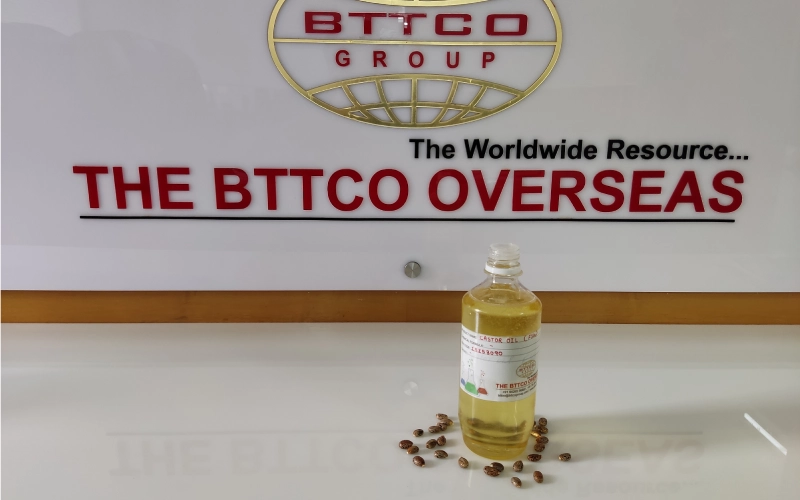
Castor Oil / Dehydrated Castor Oil

HSN Code – 2915

CAS No – 64147-40-6

Packaging – 950 Kgs IBC Tank, 225 Kilos Drums,1 Flexi Tank

Usages

It is a drying oil, with some flexibility.

It is mainly applied to the manufacture of coatings, resins, inks and varnishes.

1. Pharmaceutical & Medicinal Uses

  • Laxative: Helps relieve constipation by stimulating bowel movements.
  • Anti-inflammatory: Used in ointments to reduce inflammation and swelling.
  • Wound Healing: Aids in the healing of minor wounds and skin abrasions.
  • Carrier Oil: Helps deliver other medicinal ingredients through the skin.

2. Cosmetics & Personal Care

  • Moisturizer: Hydrates skin and helps retain moisture in lotions and creams.
  • Hair Care: Promotes hair growth, strengthens hair, and prevents hair thinning.
  • Skin Care: Reduces acne, enhances skin texture, and keeps skin smooth.
  • Lip Care: Used in lip balms and lipsticks to keep lips soft.

3. Natural Remedies

  • Natural Pesticide: Used to control pests and insects in gardens.
  • Fungicide: Helps to prevent fungal infections on plants and crops.
  • Soil Conditioner: Improves soil quality and promotes healthy plant growth.

4. Food-Grade Use

  • Mold Inhibitor: Keeps packaged foods fresh longer by preventing mold growth.
  • Release Agent: Prevents sticking in baking and candy production.

General Description

A natural vegetable oil extracted from the seeds of the Ricinus communis plant.

Thick, pale yellow liquid with a mild odor.

Contains high levels of ricinoleic acid (~85–90%).

Known for its viscosity, moisturizing, anti-inflammatory, and lubricating properties.

Castor oil is obtained from the fruit seed of castor (Ricinus communis L.) a large shrub that grows mainly in India, Brazil and China. The seed has an oil content of 40-50%. The dehydration process removes the OH group (dehydroxylation) of ricinoleic acid and turns it into linoleic acid.


Quick Product Inquiry