| CAS Number: | 7440-44-00 |
| HS Code: | 38021000 |
| Origin: | India |
| Packing: | 25 Kgs Bags |
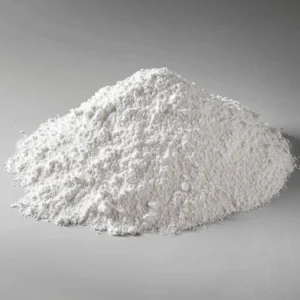
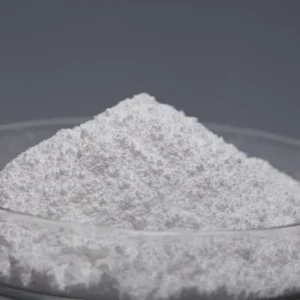
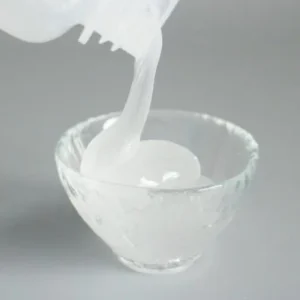
Our Sodium Hydroxide (Caustic Soda Flakes) is a high-purity, industrial-grade alkali used extensively across multiple industries. Manufactured under strict quality control parameters, our caustic soda meets international standards and specifications.
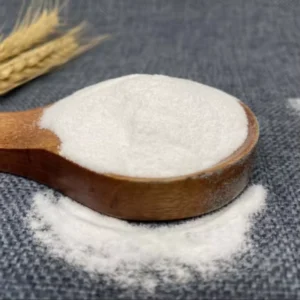
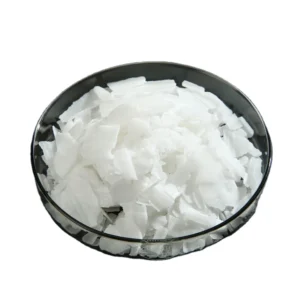
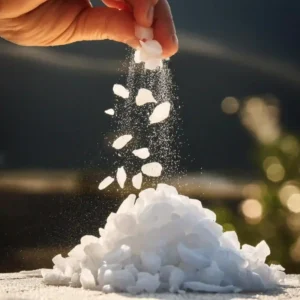
Also known as lye or caustic soda, sodium hydroxide is a highly versatile chemical with a wide range of industrial applications. It is a white, solid, highly caustic metallic base and alkali salt. We supply caustic soda in flake form, which is preferred for ease of handling and dissolution.
Every batch undergoes rigorous quality testing in certified laboratories to ensure consistency and compliance with specifications. We provide complete documentation including Certificate of Analysis (COA), Material Safety Data Sheet (MSDS), and Technical Data Sheet (TDS) with every shipment.
|
Parameter
|
Specification
|
Test Method
|
|---|---|---|
|
NaOH Content |
98.0% min |
Titration (ASTM E291) |
|
Na₂CO₃ (Sodium Carbonate) |
0.5% max |
Titration |
|
NaCl (Sodium Chloride) |
0.03% max |
Titration |
|
Fe₂O₃ (Iron Oxide) |
0.004% max |
Colorimetry |
|
Appearance |
White Flakes |
Visual inspection |
|
Molecular Weight |
40.00 g/mol |
- |
|
Melting Point |
318°C (604°F) |
DSC |
|
Solubility in Water |
111 g/100 mL (20°C) |
- |
Used in pulping and bleaching processes. Essential for kraft process in paper manufacturing. Helps in delignification of wood chips.
Mercerization of cotton fabrics for improved strength and luster. Used in dyeing and finishing processes. pH adjustment in textile processing.
Production of various organic and inorganic chemicals. Used in synthesis of sodium salts, detergents, and soaps. pH neutralization agent.
pH adjustment in water and wastewater treatment plants. Neutralization of acidic effluents. Precipitation of heavy metals.
Saponification process in soap manufacturing. Production of liquid detergents and cleaning agents. Essential raw material for household cleaners.
Food grade caustic soda used in food processing (separate specification). Peeling of fruits and vegetables. Processing of cocoa and chocolate.
Refining of petroleum products. Removal of sulfur compounds. Production of sodium phenolate.
Aluminum processing and anodizing. Cleaning and degreasing metal surfaces. Concrete admixtures.
12 months from date of manufacturing when stored under recommended conditions in original, unopened packaging.
⚠️ WARNING: Highly Corrosive Material
Sodium Hydroxide is a highly corrosive substance. Proper safety precautions must be followed during handling, storage, and use. Always refer to the complete MSDS before handling.
Non-combustible. However, contact with water generates heat and may cause spattering. Use dry chemical, CO₂, or water spray to fight fires involving caustic soda. Wear full protective equipment including self-contained breathing apparatus.
For complete safety information, please download and refer to the Material Safety Data Sheet (MSDS)
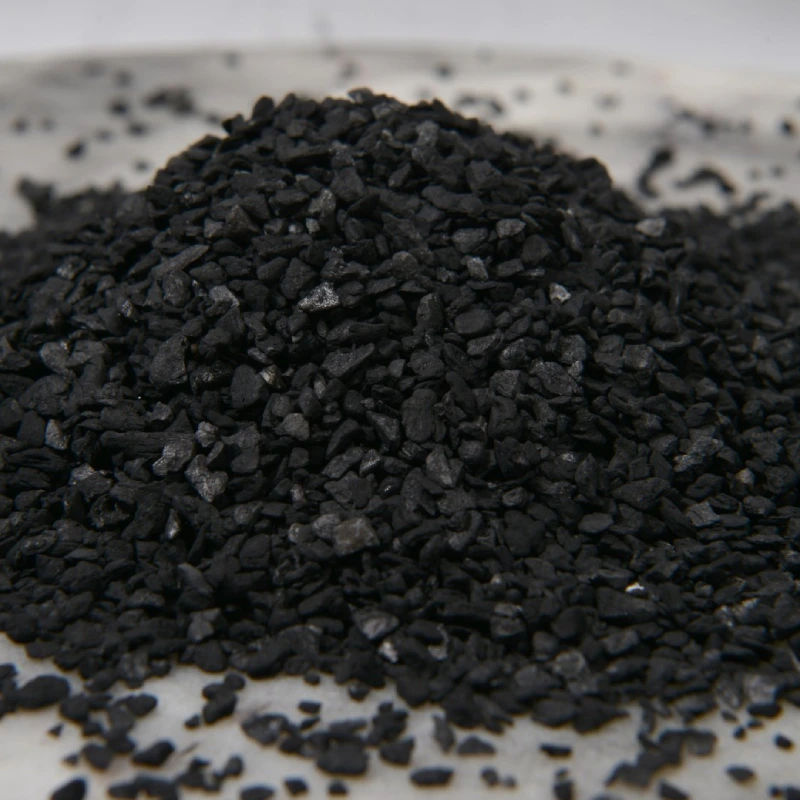
Activated carbon, also known as activated charcoal, is a highly porous material made from carbon-rich sources like coconut shells, wood, or coal. The process of “activation” involves heating the material in the presence of a gas (usually steam or air) to increase its surface area and create numerous tiny pores. These pores give activated carbon its remarkable ability to adsorb a wide variety of substances, making it incredibly effective for purification and filtration.
Properties:
Activated Carbon is a high-activity, granular, activated carbon manufactured by steam activation from selected grades of bituminous coal. It is a high-density adsorbent and provides maximum volume activity. Its excellent hardness and mechanical strength ensures negligible losses during the processing of rinse water.
Activated Carbon is used with our S200 and S500 filtration systems for the cleanup of penetrant rinse water. It offers the perfect balance between adsorption and transport pores, providing optimum performance for rinse water processing.

| Parameter | Specification | Test Method |
|---|
Activated carbon is commonly used in water filters to remove contaminants such as chlorine, volatile organic compounds (VOCs), pesticides, and heavy metals. It’s also used in industrial water treatment processes.
It is used in air purifiers, gas masks, and ventilation systems to remove odors, smoke, and pollutants from the air.
Poisoning Treatment: Activated carbon is often administered in cases of poisoning, as it can adsorb toxins and prevent them from being absorbed by the stomach.
Sometimes used in over-the-counter treatments to reduce bloating or gas.
Activated carbon is used in the gold mining industry to extract gold from ores.
It can be used as a catalyst support material in chemical processes due to its large surface area.
It’s used for decolorizing and purifying edible oils and syrups, and also for removing impurities during the production of various beverages like alcohol.
Activated carbon is used in environmental cleanup, particularly for removing hazardous waste or chemical spills, as it can trap a wide variety of toxins from water and soil.
In some beauty products, activated carbon is used for its cleansing properties, often marketed as helping to detoxify skin.
Need help sourcing
the right chemical?


Alibaba


Alibaba
Copyright © 2026 The BTTCO Overseas. All rights reserved.
Design & Development By Topaz Infotech