| CAS Number: | 7697-37-2 |
| HS Code: | 28080010 |
| Molecular Formula: | NaOH |
| Origin: | India |
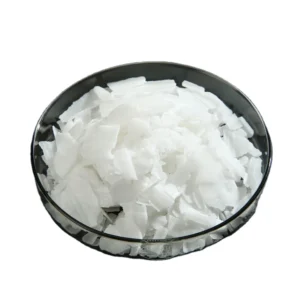
Our Sodium Hydroxide (Caustic Soda Flakes) is a high-purity, industrial-grade alkali used extensively across multiple industries. Manufactured under strict quality control parameters, our caustic soda meets international standards and specifications.
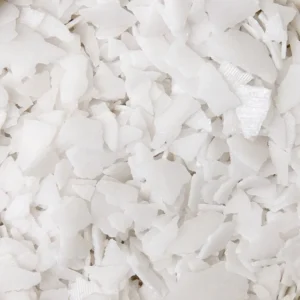
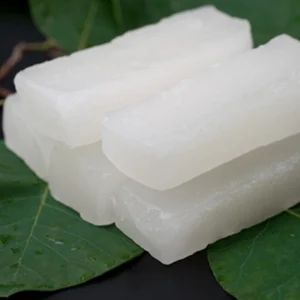
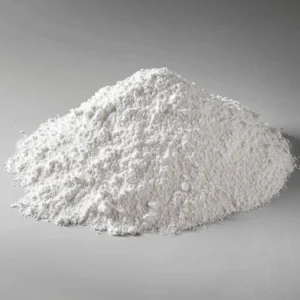
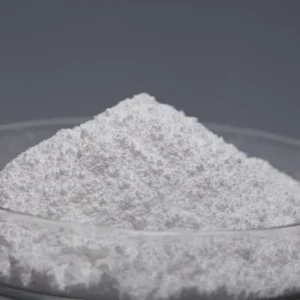
Also known as lye or caustic soda, sodium hydroxide is a highly versatile chemical with a wide range of industrial applications. It is a white, solid, highly caustic metallic base and alkali salt. We supply caustic soda in flake form, which is preferred for ease of handling and dissolution.
Every batch undergoes rigorous quality testing in certified laboratories to ensure consistency and compliance with specifications. We provide complete documentation including Certificate of Analysis (COA), Material Safety Data Sheet (MSDS), and Technical Data Sheet (TDS) with every shipment.
|
Parameter
|
Specification
|
Test Method
|
|---|---|---|
|
NaOH Content |
98.0% min |
Titration (ASTM E291) |
|
Na₂CO₃ (Sodium Carbonate) |
0.5% max |
Titration |
|
NaCl (Sodium Chloride) |
0.03% max |
Titration |
|
Fe₂O₃ (Iron Oxide) |
0.004% max |
Colorimetry |
|
Appearance |
White Flakes |
Visual inspection |
|
Molecular Weight |
40.00 g/mol |
- |
|
Melting Point |
318°C (604°F) |
DSC |
|
Solubility in Water |
111 g/100 mL (20°C) |
- |
Used in pulping and bleaching processes. Essential for kraft process in paper manufacturing. Helps in delignification of wood chips.
Mercerization of cotton fabrics for improved strength and luster. Used in dyeing and finishing processes. pH adjustment in textile processing.
Production of various organic and inorganic chemicals. Used in synthesis of sodium salts, detergents, and soaps. pH neutralization agent.
pH adjustment in water and wastewater treatment plants. Neutralization of acidic effluents. Precipitation of heavy metals.
Saponification process in soap manufacturing. Production of liquid detergents and cleaning agents. Essential raw material for household cleaners.
Food grade caustic soda used in food processing (separate specification). Peeling of fruits and vegetables. Processing of cocoa and chocolate.
Refining of petroleum products. Removal of sulfur compounds. Production of sodium phenolate.
Aluminum processing and anodizing. Cleaning and degreasing metal surfaces. Concrete admixtures.
12 months from date of manufacturing when stored under recommended conditions in original, unopened packaging.
⚠️ WARNING: Highly Corrosive Material
Sodium Hydroxide is a highly corrosive substance. Proper safety precautions must be followed during handling, storage, and use. Always refer to the complete MSDS before handling.
Non-combustible. However, contact with water generates heat and may cause spattering. Use dry chemical, CO₂, or water spray to fight fires involving caustic soda. Wear full protective equipment including self-contained breathing apparatus.
For complete safety information, please download and refer to the Material Safety Data Sheet (MSDS)
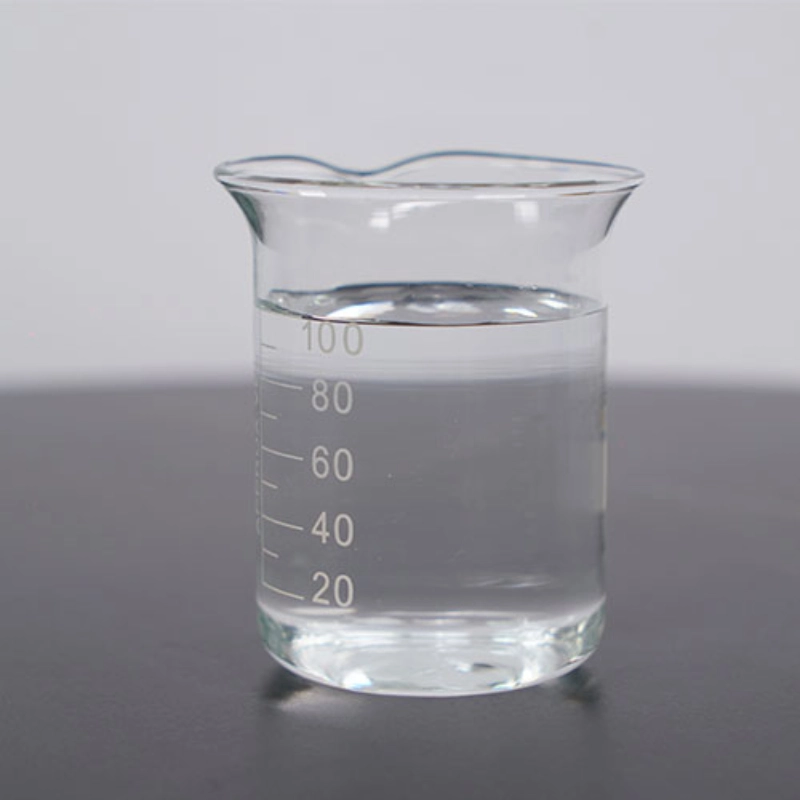
Nitric Acid (HNO3) is a highly corrosive, strong acid with a colorless to pale yellow appearance, depending on concentration. It is one of the most important industrial chemicals. Here’s a general description and summary of its usage.
Nitric Acid (HNO3) is produced by the reaction of water with nitrogen dioxide (NO2). Nitric acid is a strong toxic mineral acid and has extremely high corrosive properties. It has the chemical formula HNO3. Nitric acid is also recognized as the spirit of aqua fortis and niter. Nitric acid is colourless in pure form but if it gets older then it will turn into a yellow cast.
Nitric acid could cause severe skin burn if it came under human contact. It reacts with oxides, hydroxides, and metals to form nitrate salts.
Nitric acid is utilized as a powerful oxidizing agent. Approximately the pH of nitric acid is 3.01. Nitric acid is associated with the group of inorganic acids.

| Parameter | Specification | Test Method |
|---|---|---|
| Chemical Formula | HNO₃ | |
| Molecular Weight | 63.01 g/mol | |
| Appearance | Colorless to yellow liquid, with a pungent odor. | |
| Density | Approximately 1.51 g/cm³ (for concentrated nitric acid). | |
| Boiling Point | 83°C (181.4°F) for concentrated nitric acid. | |
| Solubility | Miscible with water. |
Nitric acid is primarily used in the production of ammonium nitrate (a key ingredient in fertilizers), which is essential for the agricultural industry.
It plays a crucial role in manufacturing explosives, particularly trinitrotoluene (TNT) and other nitrate-based explosives.
It is used in the pickling and passivation of stainless steel and other metals, where it removes oxidation and scales from metal surfaces.
Nitric acid is involved in the production of a range of nitrogen-based chemicals, such as nitrobenzene, adipic acid and hydrazine.
Nitric acid is used in rocket propellants and various military applications due to its explosive properties when combined with other substances.
It is used as an oxidizing agent in various chemical reactions, such as in the production of nitro compounds and organic synthesis.
n laboratories, nitric acid is often used for titration and as a reagent in the preparation of other chemicals, as well as in cleaning and etching materials.
It is used in electronics manufacturing and engraving as a part of the process for cleaning, etching or treating metal surfaces.
Need help sourcing
the right chemical?


Alibaba


Alibaba
Copyright © 2026 The BTTCO Overseas. All rights reserved.
Design & Development By Topaz Infotech