
From Pin to Plane
BTTCO Caters All
Explore BTTCO with BTTCO Buddy
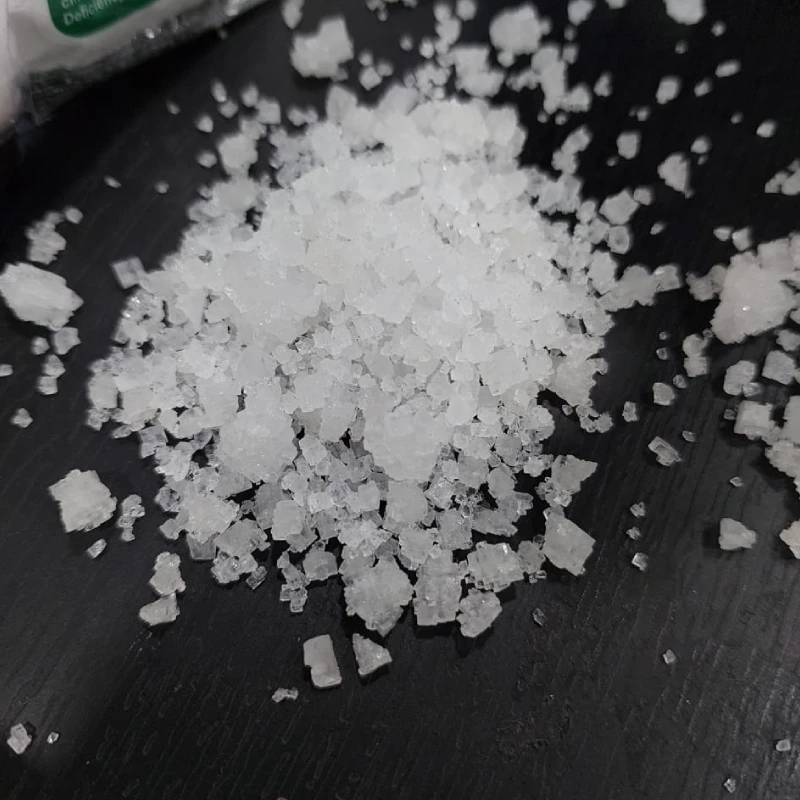
| CAS Number: | 7647-14-5 |
| HS Code: | 25010090 |
| Molecular Formula: | NaCl |
| Appearance: | White Flakes |
| Purity: | 99% min |
| Origin: | India |
| Packing: | 25 kg bags and 1000 kg big bags |
| Shelf Life: | 12 months |
Our Sodium Hydroxide (Caustic Soda Flakes) is a high-purity, industrial-grade alkali used extensively across multiple industries. Manufactured under strict quality control parameters, our caustic soda meets international standards and specifications.
Also known as lye or caustic soda, sodium hydroxide is a highly versatile chemical with a wide range of industrial applications. It is a white, solid, highly caustic metallic base and alkali salt. We supply caustic soda in flake form, which is preferred for ease of handling and dissolution.
Every batch undergoes rigorous quality testing in certified laboratories to ensure consistency and compliance with specifications. We provide complete documentation including Certificate of Analysis (COA), Material Safety Data Sheet (MSDS), and Technical Data Sheet (TDS) with every shipment.
|
Parameter
|
Specification
|
Test Method
|
|---|---|---|
|
NaOH Content |
98.0% min |
Titration (ASTM E291) |
|
Na₂CO₃ (Sodium Carbonate) |
0.5% max |
Titration |
|
NaCl (Sodium Chloride) |
0.03% max |
Titration |
|
Fe₂O₃ (Iron Oxide) |
0.004% max |
Colorimetry |
|
Appearance |
White Flakes |
Visual inspection |
|
Molecular Weight |
40.00 g/mol |
- |
|
Melting Point |
318°C (604°F) |
DSC |
|
Solubility in Water |
111 g/100 mL (20°C) |
- |
Used in pulping and bleaching processes. Essential for kraft process in paper manufacturing. Helps in delignification of wood chips.
Mercerization of cotton fabrics for improved strength and luster. Used in dyeing and finishing processes. pH adjustment in textile processing.
Production of various organic and inorganic chemicals. Used in synthesis of sodium salts, detergents, and soaps. pH neutralization agent.
pH adjustment in water and wastewater treatment plants. Neutralization of acidic effluents. Precipitation of heavy metals.
Saponification process in soap manufacturing. Production of liquid detergents and cleaning agents. Essential raw material for household cleaners.
Food grade caustic soda used in food processing (separate specification). Peeling of fruits and vegetables. Processing of cocoa and chocolate.
Refining of petroleum products. Removal of sulfur compounds. Production of sodium phenolate.
Aluminum processing and anodizing. Cleaning and degreasing metal surfaces. Concrete admixtures.
12 months from date of manufacturing when stored under recommended conditions in original, unopened packaging.
⚠️ WARNING: Highly Corrosive Material
Sodium Hydroxide is a highly corrosive substance. Proper safety precautions must be followed during handling, storage, and use. Always refer to the complete MSDS before handling.
Non-combustible. However, contact with water generates heat and may cause spattering. Use dry chemical, CO₂, or water spray to fight fires involving caustic soda. Wear full protective equipment including self-contained breathing apparatus.
For complete safety information, please download and refer to the Material Safety Data Sheet (MSDS)
Sodium chloride, commonly known as table salt, is a chemical compound made up of two elements: sodium (Na) and chlorine (Cl). It is a white, crystalline substance that is highly soluble in water. Sodium chloride is essential for life, playing a crucial role in maintaining fluid balance, nerve function, and muscle function in the human body. It is one of the most widely used chemicals, both in its natural mineral form, halite, and as a refined product.
Salt is a natural Sodium Chloride (NaCl) and is used to formulate brines with s.g. up to 1.20 and drilling muds.
| Parameter | Specification | Test Method |
|---|---|---|
| Appearance | White, odorless crystalline solid. | |
| Molecular Formula | NaCl | |
| Density | 2.16 g/cm³ | |
| Melting Point | 801°C (1,474°F) | |
| Solubility | Highly soluble in water. |
Sodium chloride is primarily used in cooking as a seasoning to enhance flavor in food.
It has been used for centuries as a preservative for meats, fish, and other perishable foods due to its ability to inhibit bacterial growth through dehydration.
Salt is key in curing meats and making products like ham, bacon, and sausages.
Sodium chloride is a precursor to many industrial chemicals, including sodium hydroxide (NaOH), hydrochloric acid (HCl), and sodium bicarbonate (NaHCO₃).
It is used in water softening processes to remove calcium and magnesium ions, which make water “hard.”
In colder regions, sodium chloride is spread on roads during winter to melt ice and snow.
Sodium chloride is used in saline solutions for intravenous infusions to maintain fluid and electrolyte balance in patients.
It is sometimes used in mouthwashes and rinses for its antiseptic properties.
Sodium chloride is an ingredient in sports drinks to help replenish lost electrolytes during physical activity.
It can be found in some skincare products for its exfoliating properties.
Salt is sometimes used in agriculture to enhance soil quality and as an ingredient in certain herbicides.
Packaging
| Product Name | Sodium chloride |
| Catalog Numbers | AC194090000, AC194090010, AC194090050, AC1940900510, AC194090250, AC207790000, AC207790010, AC207790050, AC327300000, AC327300010, AC424290000, AC424290030, AC424290250, 42429-0010, 42429-5000, BP358-1, BP358-10, BP358-212,NC9269808, NC9380133, NC9460864, NC9634552, NC9780594, NC9821620, NC9826699, NC9919051, NC9974906, S271-1, S271-10, S271-10LC, S271-1LC, S271-3, S271-350LB, S271-50,S271-500, S271-50LC, S640-10, S640-10LC, S640-3, S640-350LB, S640-50, S640-500, S640SAM1,S640SAM2, S640SAM3, S641-212, S641-350LB, S641-500, S641P-350LB, S641P350LLC, S642-12, S642-212, S642-350LB, S642-500, S64212LC, S642350LBLC, S642SAM1, S642SAM2, S642SAM3, S671-10, S671-3, S671-500 |
| Synonyms | Common salt; Halite; Rock salt; Saline; Salt; Sea salt; Table salt. |
| Company Identification | THE BTTCO OVERSEAS 6, Ashirvad Complex, Nr. Sardar Patel Seva Samaj Hall, Navrangpura, Ahmedabad 380 009, India |
| Telephone Number | +91 94265 96891 |
| CAS # | Chemical Name | Percent | EINECS/ELINCS |
| 7647-14-5 | Sodium chloride | 99+ | 231-598-3 |
| Emergency Overview | Appearance: white solid. Caution! May cause eye, skin, and respiratory tract irritation. Hygroscopic (absorbs moisture from the air). |
| Target Organs | None known. |
| Eye | May cause eye irritation. Exposure to solid may cause pain and redness. |
| Skin | May cause skin irritation. May be harmful if absorbed through the skin. |
| Inhalation | : May cause respiratory tract irritation. May be harmful if inhaled. |
| Ingestion | May cause irritation of the digestive tract. May be harmful if swallowed. Ingestion of large amounts may cause nausea and vomiting, rigidity or convulsions. Continued exposure can produce coma, dehydration, and internal organ |
| Chronic | No information found. |
| Eyes | Immediately flush eyes with plenty of water for at least 15 minutes, occasionally lifting the upper and lower eyelids. If irritation develops, get medical aid. |
| Skin | Immediately flush skin with plenty of water for at least 15 minutes while removing contaminated clothing and shoes. Get medical aid if irritation develops or persists. |
| Inhalation | Remove from exposure and move to fresh air immediately. If not breathing, give artificial respiration. If breathing is difficult, give oxygen. Get medical aid if cough or other symptoms appear |
| Ingestion | Do not induce vomiting. Get medical aid if irritation or symptoms occur |
| Notes to Physician | Treat symptomatically and supportively. |
| General Information | Wear appropriate protective clothing to prevent contact with skin and eyes. Wear a self-contained breathing apparatus (SCBA) to prevent contact with thermal decomposition products. May be combustible at high temperatures |
| Extinguishing Media | Use water spray, dry chemical, carbon dioxide, or chemical foam |
| Flash Point | Not applicable. |
| Autoignition Temperature | Not applicable. |
| Explosion Limits, Lower | Not applicable. |
| Upper | Not applicable. |
| NFPA Rating | (estimated) Health: 1; Flammability: 0; Instability: 1 |
| General Information | Use proper personal protective equipment as indicated in Section 8. |
| Spills/Leaks | Vacuum or sweep up material and place into a suitable disposal container. Avoid generating dusty conditions. Provide ventilation. Do not let this chemical enter the environment. |
| Handling | Use with adequate ventilation. Minimize dust generation and accumulation. Avoid contact with eyes, skin, and clothing. Avoid ingestion and inhalat |
| Storage | Store in a cool, dry place. Store in a tightly closed container. |
| Engineering Controls | Facilities storing or utilizing this material should be equipped with an eyewash facility and a safety shower. Use adequate ventilation to keep airborne concentrations low. |
| OSHA Vacated PELs | Sodium chloride: No OSHA Vacated PELs are listed for this chemi |
| Physical State | Solid |
| Appearance | White Odor: odorless |
| Ph | 5.0 – 8.0 (5% aq.sol. 20°C) |
| Vapor Pressure | 1 mm Hg @ 865 deg C |
| Vapor Density | Not available. |
| Evaporation Rate | Not available. |
| Viscosity | Not available |
| Boiling Point | 1461 deg C @ 760 mmHg |
| Freezing/Melting Point | 801 deg C |
| Decomposition Temperature | Not available. |
| Solubility | 360 g/L (20°C) |
| Specific Gravity/Density | 2.165 |
Living our promises. Delivering with trust.
Need help sourcing
the right chemical?



Alibaba

Alibaba


Copyright © 2026 The BTTCO Overseas. All rights reserved.
Design & Development By Topaz Infotech