Sulphuric Acid

Sulphuric Acid

Quick Specifications
CAS Number: 7664-93-9
HS Code: 28070010
Origin: India
Packing: 35 / 37 / 40 / 50 / 57 Kilos Poly Cans (Jerry Can)

Product Description

Our Sodium Hydroxide (Caustic Soda Flakes) is a high-purity, industrial-grade alkali used extensively across multiple industries. Manufactured under strict quality control parameters, our caustic soda meets international standards and specifications.

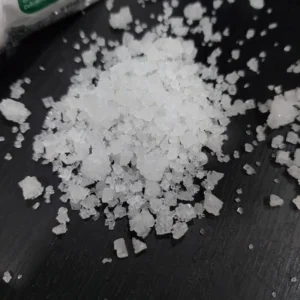
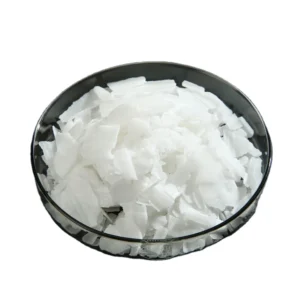
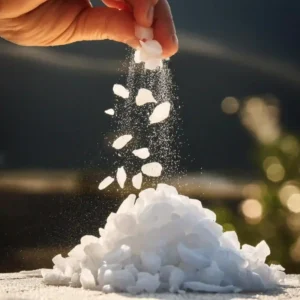
Also known as lye or caustic soda, sodium hydroxide is a highly versatile chemical with a wide range of industrial applications. It is a white, solid, highly caustic metallic base and alkali salt. We supply caustic soda in flake form, which is preferred for ease of handling and dissolution.

Every batch undergoes rigorous quality testing in certified laboratories to ensure consistency and compliance with specifications. We provide complete documentation including Certificate of Analysis (COA), Material Safety Data Sheet (MSDS), and Technical Data Sheet (TDS) with every shipment.

Technical Specifications

Parameter
Specification
Test Method

NaOH Content

98.0% min

Titration (ASTM E291)

Na₂CO₃ (Sodium Carbonate)

0.5% max

Titration

NaCl (Sodium Chloride)

0.03% max

Titration

Fe₂O₃ (Iron Oxide)

0.004% max

Colorimetry

Appearance

White Flakes

Visual inspection

Molecular Weight

40.00 g/mol

-

Melting Point

318°C (604°F)

DSC

Solubility in Water

111 g/100 mL (20°C)

-

Industrial Applications

🏭 Pulp & Paper Industry

Used in pulping and bleaching processes. Essential for kraft process in paper manufacturing. Helps in delignification of wood chips.

👔 Textile Industry

Mercerization of cotton fabrics for improved strength and luster. Used in dyeing and finishing processes. pH adjustment in textile processing.

⚗️ Chemical Manufacturing

Production of various organic and inorganic chemicals. Used in synthesis of sodium salts, detergents, and soaps. pH neutralization agent.

💧 Water Treatment

pH adjustment in water and wastewater treatment plants. Neutralization of acidic effluents. Precipitation of heavy metals.

🧼 Soap & Detergents

Saponification process in soap manufacturing. Production of liquid detergents and cleaning agents. Essential raw material for household cleaners.

🍔 Food Processing

Food grade caustic soda used in food processing (separate specification). Peeling of fruits and vegetables. Processing of cocoa and chocolate.

⛽ Petroleum Refining

Refining of petroleum products. Removal of sulfur compounds. Production of sodium phenolate.

🏗️ Construction & Building

Aluminum processing and anodizing. Cleaning and degreasing metal surfaces. Concrete admixtures.

Packaging & Storage

Packaging Options
  • Standard Packing: 25kg HDPE bags with PE liner
  • Bulk Packing: 50kg HDPE bags with PE liner
  • Jumbo Bags: 500kg/1000kg FIBC bags (on request)
  • Container Load: 27 MT per 20′ FCL without pallets
  • Container Load: 25 MT per 20′ FCL with pallets
Storage Guidelines
  • Store in cool, dry, well-ventilated area away from moisture
  • Keep containers tightly closed when not in use
  • Store away from incompatible materials (acids, metals, organic materials)
  • Avoid exposure to atmospheric moisture as it is hygroscopic
  • Storage temperature: Ambient (15-25°C recommended)
  • Keep away from direct sunlight and heat sources
  • Follow proper stacking procedures to prevent damage
Shelf Life

12 months from date of manufacturing when stored under recommended conditions in original, unopened packaging.


Safety Information & Handling

⚠️ WARNING: Highly Corrosive Material

Sodium Hydroxide is a highly corrosive substance. Proper safety precautions must be followed during handling, storage, and use. Always refer to the complete MSDS before handling.

Personal Protection Equipment (PPE)
  • Eye Protection: Chemical safety goggles or face shield (mandatory)
  • Hand Protection: Chemical-resistant gloves (rubber, neoprene, or PVC)
  • Body Protection: Chemical-resistant apron or full protective suit
  • Respiratory Protection: Use in well-ventilated areas; respirator if required
  • Footwear: Chemical-resistant safety boots
First Aid Measures
  • Eye Contact: Immediately flush with plenty of water for at least 15 minutes. Seek medical attention immediately.
  • Skin Contact: Remove contaminated clothing. Wash affected area with plenty of water and soap. Seek medical attention if irritation persists.
  • Inhalation: Move to fresh air immediately. If breathing is difficult, give oxygen. Seek medical attention.
  • Ingestion: Do NOT induce vomiting. Rinse mouth with water. Give water or milk to drink. Seek immediate medical attention.
Fire Fighting Measures

Non-combustible. However, contact with water generates heat and may cause spattering. Use dry chemical, CO₂, or water spray to fight fires involving caustic soda. Wear full protective equipment including self-contained breathing apparatus.

Spill & Leak Procedures
  • Evacuate area and ventilate thoroughly
  • Wear appropriate PPE before cleanup
  • Contain spill to prevent environmental contamination
  • Neutralize with dilute acid (under professional supervision)
  • Collect material and place in appropriate disposal containers
  • Flush area with water after cleanup


For complete safety information, please download and refer to the Material Safety Data Sheet (MSDS)

Product Description

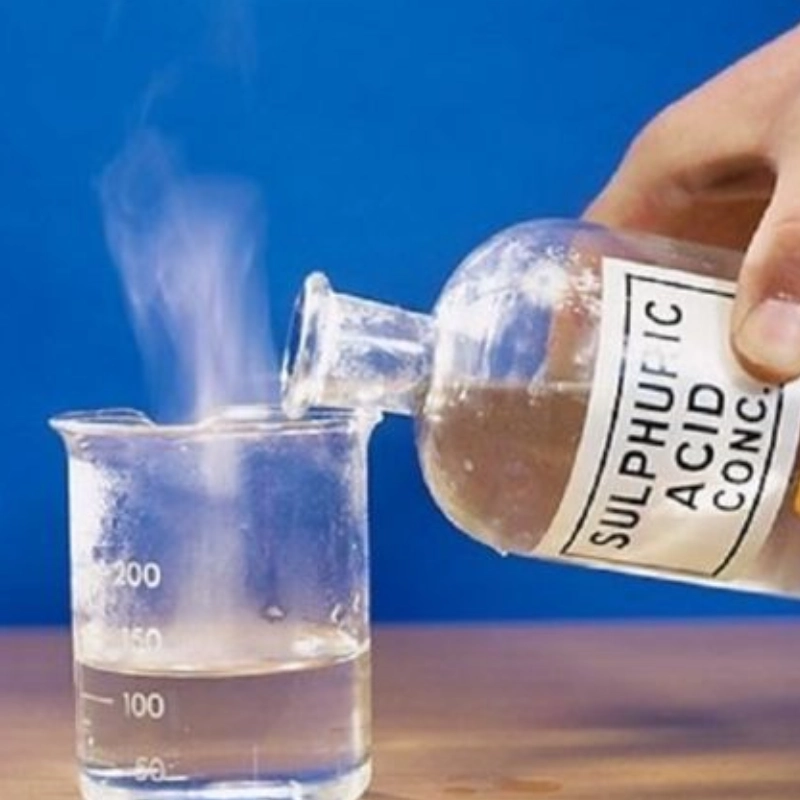
Sulfuric acid is used in a variety of industries due to its highly reactive and versatile nature.

  • Sulfuric acid(h2so4) has many uses in different industries, such as mineral processing, petroleum refining, fertilizer production, and wastewater processing.
  • Uses of sulphuric acid is to produced fertilizers, mainly ammonium phosphate, superphosphates and ammonium sulfates.
  • Sulfuric acid is the iron manufacturing industry, it is used to remove oxidation.
  • Sulfuric acid has many applications like producing pigments, dyes, cleaning agents, detergents, explosives and drugs.
  • In lead-acid batteries sulfuric acid is used as the electrolyte.
  • Major amount of sulfuric acid is used to produce phosphoric acid, calcium dihydrogen phosphate, phosphate fertilizers, and ammonium phosphates. It is also used to make ammonium sulfate, which is a particularly important fertilizer in sulfur-deficient.
  • Sulfuric acid is mostly used in metal processing in the production of copper and zinc. It also cleans the surface of the steel sheet, which is called pickling.
  • It is utilized to produce caprolactam, which is transformed into polyamide 6 and in the manufacture of titanium dioxide. In many industries, Sulfuric acid is widely used to produce phenol and hydrofluoric acid with propanone.
  • In the household, it is used as a drain cleaner with other reactive property.
  • Many other industries use this chemical for, production of cleaning agents, wastewater processing, producing explosives, processing of minerals, paper industry, and detergents manufacturing.
  • In the skincare industry uses of sulphuric acid is to make skin ointments to heal skin infections like canker sores.
  • Other uses are batteries manufacturing, potato farming, detergents making like trisodium phosphate, perfume manufacturing, printing ink manufacturing.

Sulfuric acid (H₂SO₄) is a highly corrosive, dense, colorless liquid with a strong acidic nature. It is one of the most widely used industrial chemicals, and it plays a crucial role in various chemical processes.

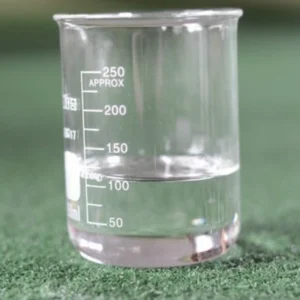
Sulfuric acid (H2SO4) is a mineral acid made of oxygen, hydrogen, and sulfur. It is also called oil of vitriol, battery acid, acido sulfur, and hydrogen sulfate. It is the third most largely manufactured industrial chemical. It is an odorless, viscous and colorless liquid that is soluble in water.

Sulfuric acid is a salient commodity chemical, and for any nation, the productions of Sulfuric acid are a good sign of its industrial influence. It is a corrosive chemical for metals and tissue and it has an oily, glassy appearance.

Sulfuric acid can cause harm to the body if short-term exposure to high concentrations or Long term exposure to low concentrations from inhalation.

Uses of sulphuric acid are to produce fertilizers and other chemicals, in steel and iron production, and in petroleum refining.


 

Technical Specifications

ParameterSpecificationTest Method
AppearanceColorless to slightly yellow (when impure), oily liquid.
OdorStrong, pungent odor (especially when concentrated).
Density1.84 g/cm³ (at 20°C).
Boiling Point337°C (639°F).
Melting Point10°C (50°F).
Chemical PropertiesHighly reactive and an excellent dehydrating agent. It is hygroscopic, meaning it can absorb water from the atmosphere.
Chemical FormulaH2SO4

Industrial Applications

Fertilizer Production

Primarily used to produce phosphate fertilizers by reacting with phosphate rock to produce phosphoric acid.

Petroleum Refining

Employed to remove impurities like sulfur from crude oil during refining processes (hydrodesulfurization).

Chemical Manufacturing

It is involved in producing other chemicals, including hydrochloric acid, nitric acid, and synthetic detergents.

Acts as a catalyst in petroleum cracking and other organic synthesis reactions.

Battery Manufacturing

Sulfuric acid is the electrolyte used in lead-acid batteries (common in automobiles).

Metal Processing

Used for pickling (cleaning) metals, especially steel, by removing rust or scale.

Cleaning and Waste Treatment

It is used in various cleaning operations, including in the treatment of industrial waste streams.

pH Adjustment and Water Treatment

Sulfuric acid is employed to adjust the pH of water and wastewater in treatment plants.

Synthesis of Other Chemicals

It’s used to synthesize a wide variety of organic and inorganic chemicals.

Packaging & Storage

Safety Information & Handling

Sample Request Guidelines

Need help sourcing
the right chemical?

Need Chemicals? Get Expert Guidance

Delivered Worldwide

Connect BTTCO Now

whatsapp qrcode

Whatsapp

alibaba qrcode

Alibaba