Source to Solution – Made Seamless
Explore BTTCO with BTTCO Buddy
| CAS Number: | 7647-01-0 |
| HS Code: | 28061000 |
| Origin: | India |
| Packing: | All packing will be Brand New and UN Approved • 30/35/40 Kilos HDPE Jerry cans • 235/240/250/265/270/275/280 Kilos HDPE Drums • 1150/1160/1180 Kilos UN Approved IBC Tanks |
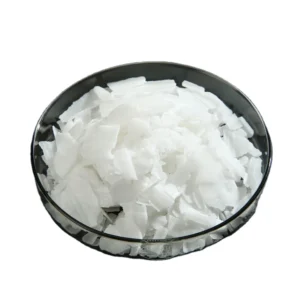
Our Sodium Hydroxide (Caustic Soda Flakes) is a high-purity, industrial-grade alkali used extensively across multiple industries. Manufactured under strict quality control parameters, our caustic soda meets international standards and specifications.
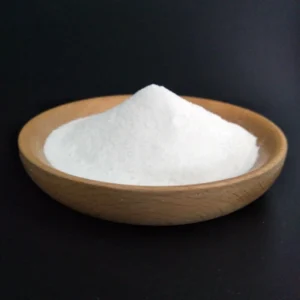
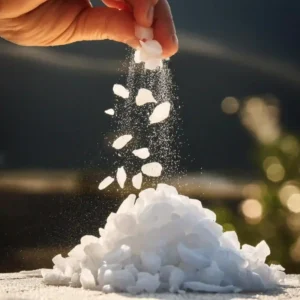
Also known as lye or caustic soda, sodium hydroxide is a highly versatile chemical with a wide range of industrial applications. It is a white, solid, highly caustic metallic base and alkali salt. We supply caustic soda in flake form, which is preferred for ease of handling and dissolution.
Every batch undergoes rigorous quality testing in certified laboratories to ensure consistency and compliance with specifications. We provide complete documentation including Certificate of Analysis (COA), Material Safety Data Sheet (MSDS), and Technical Data Sheet (TDS) with every shipment.
|
Parameter
|
Specification
|
Test Method
|
|---|---|---|
|
NaOH Content |
98.0% min |
Titration (ASTM E291) |
|
Na₂CO₃ (Sodium Carbonate) |
0.5% max |
Titration |
|
NaCl (Sodium Chloride) |
0.03% max |
Titration |
|
Fe₂O₃ (Iron Oxide) |
0.004% max |
Colorimetry |
|
Appearance |
White Flakes |
Visual inspection |
|
Molecular Weight |
40.00 g/mol |
- |
|
Melting Point |
318°C (604°F) |
DSC |
|
Solubility in Water |
111 g/100 mL (20°C) |
- |
Used in pulping and bleaching processes. Essential for kraft process in paper manufacturing. Helps in delignification of wood chips.
Mercerization of cotton fabrics for improved strength and luster. Used in dyeing and finishing processes. pH adjustment in textile processing.
Production of various organic and inorganic chemicals. Used in synthesis of sodium salts, detergents, and soaps. pH neutralization agent.
pH adjustment in water and wastewater treatment plants. Neutralization of acidic effluents. Precipitation of heavy metals.
Saponification process in soap manufacturing. Production of liquid detergents and cleaning agents. Essential raw material for household cleaners.
Food grade caustic soda used in food processing (separate specification). Peeling of fruits and vegetables. Processing of cocoa and chocolate.
Refining of petroleum products. Removal of sulfur compounds. Production of sodium phenolate.
Aluminum processing and anodizing. Cleaning and degreasing metal surfaces. Concrete admixtures.
12 months from date of manufacturing when stored under recommended conditions in original, unopened packaging.
⚠️ WARNING: Highly Corrosive Material
Sodium Hydroxide is a highly corrosive substance. Proper safety precautions must be followed during handling, storage, and use. Always refer to the complete MSDS before handling.
Non-combustible. However, contact with water generates heat and may cause spattering. Use dry chemical, CO₂, or water spray to fight fires involving caustic soda. Wear full protective equipment including self-contained breathing apparatus.
For complete safety information, please download and refer to the Material Safety Data Sheet (MSDS)
Hydrochloric acid is used in the manufacturing of organic compounds such as vinyl chloride and dichloromethane for plastics or PVC (polyvinyl chloride).
HCL acid is utilized in the revival of ion exchange resins and is particularly used to wash the cations from the resins.
Hydrochloric acid is used in water treatment chemicals to prepare compounds.
In the textile industry, Hydrochloric Acid is used for bleaching clothes, and in the leather tanning industry, it helps process leather.
Hydrochloric acid is used to remove rust and stains from iron, copper, and other kinds of metals.
In households, HCL is mainly used for cleaning bathrooms and kitchens and also to sanitize them thoroughly.
In the pharmaceutical industry, Hydrochloric Acid helps with controlling the pH of products, foods, and water and also regulating the acidity of the solution.
Hydrochloric acid significantly assists in oil production; it is injected into the rock, and due to the reaction, it forms large-pore structures.
Hydrochloric acid is used in the manufacturing of glue and gelatin.
Hydrochloric acid is crucial for producing synthetic rubber and plastics.
Hydrochloric acid is utilized to produce aqua regia, a solution capable of dissolving noble metals such as gold and platinum.
HCL acid is helpful to produce corn sugar and glucose from starch.
Hydrochloric Acid plays a vital role in steel production by effectively removing rust and impurities from steel surfaces. This process is essential for ensuring the quality of steel used in construction projects and the manufacturing of various appliances such as cars.
Additionally, Hydrochloric Acid serves as a key ingredient in the production of PVC plastic and polyurethane foam. These materials are widely used in various industries due to their versatility and durability.
Hydrochloric acid disinfectant properties make it valuable in various industries for cleaning and sterilization purposes. Additionally, hydrochloric acid acts as a slimicide, preventing the growth of slime in paper stock, which is essential for maintaining the quality of paper products.
When hydrochloric acid is combined with limestone, it creates calcium chloride, a specific type of salt commonly employed for de-icing roads during winter. Beyond its role in road maintenance, calcium chloride finds application in food production as a stabilizer and firming agent. For instance, it enhances the texture of baked goods. Moreover, calcium chloride serves as an antimicrobial agent in various settings.
Hydrochloric acid is used in battery, photoflash bulb, and firework production. Its also vital in leather processing, construction, oil well acidizing, and gelatin production.
In the food industry, hydrochloric acid plays a role in processing various foods like corn syrup, cookies, and ketchup. Its used to enhance flavor and prevent spoilage in sauces, vegetable juices, and canned goods.
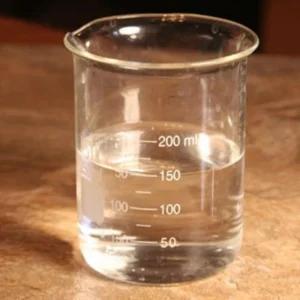
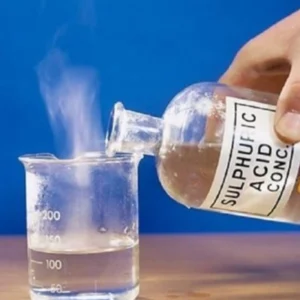
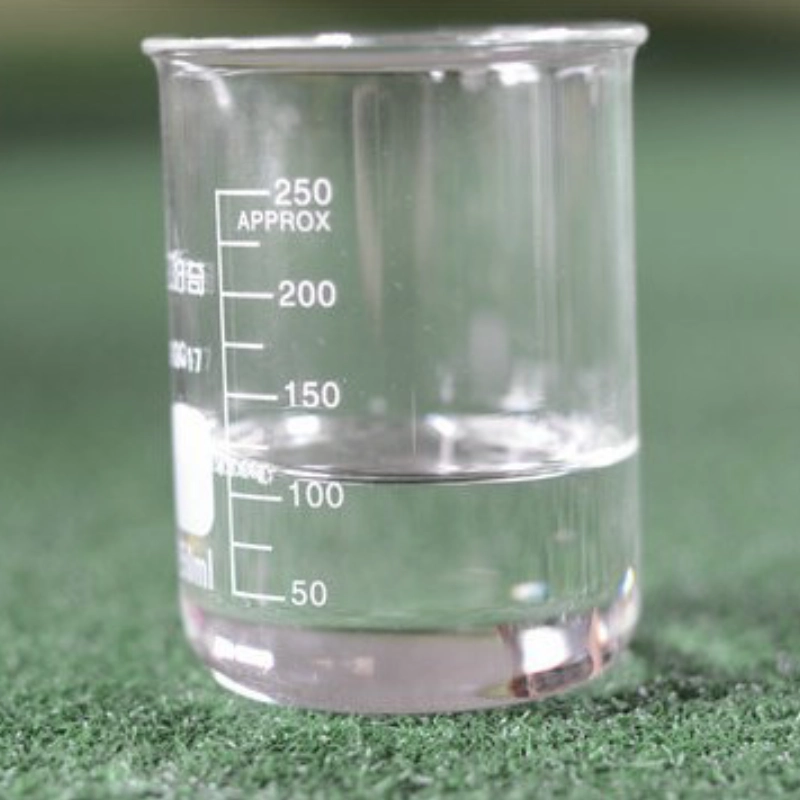
Hydrochloric Acid (HCl) is a strong, colorless acid with a pungent odor, commonly found in a concentrated form as a clear, aqueous solution. It is a mineral acid and one of the most widely used chemicals in various industries.
Hydrochloric acid (HCl) is a strong liquid made by mixing hydrogen and chlorine gases together through a process called electrolysis. It’s also known as HCL, muriatic acid, or spirits of salt. It is an aqueous solution of hydrogen chloride. This acid is clear and has a sharp smell. It’s really powerful and can be harmful if it touches your skin, eyes, or if you breathe it in.
It is a colorless solution with a strong, unpleasant odour. Hydrochloric acid has a large range of applications and is one of the largest consumed acids in the world.
HCl is highly corrosive, and it can damage the body when it comes into contact with it. It reacts with metals and can even produce explosive hydrogen gas.
Industries use hydrochloric acid a lot, especially in making steel and PVC. You can also find it in household cleaners, pool maintenance products, and food production. It’s even used to make polyurethane foam and calcium chloride.
Because it’s so dangerous, handling hydrochloric acid requires extreme care. Workers should wear personal protective equipment (PPE) like masks, gloves, goggles, and face shields. It’s stored in plastic containers because it can corrode metal.
There are different grades of hydrochloric acid: recovered, technical, reagent, and food processing. The commercial ones might have a slight yellow tint due to impurities like dissolved iron.
Work in a well-ventilated area or under a fume hood to prevent the inhalation of fumes. Properly label the containers for easy identification.
| Parameter | Specification | Test Method |
|---|---|---|
| Chemical Formula | HCl | |
| Molar Mass | 36.46 g/mol | |
| Physical State | Colorless, highly corrosive liquid (when aqueous) | |
| pH | Highly acidic, usually around 0-1 in concentrated form | |
| Boiling Point | 108.6°C (when aqueous) | |
| Solubility | Completely soluble in water | |
| Appearance | Clear, colorless solution (in its common form) |
Used to clean steel by removing rust or scale before further processing.
Used in the manufacture of chlorine, sodium chloride, and sodium hydroxide through electrolysis of brine.
Utilized in industries where the pH needs to be adjusted, like water treatment or in the food industry.
It is a key reagent in the production of a wide variety of chemicals, such as PVC (polyvinyl chloride), fertilizers, dyes, and other organic compounds.
HCl is used to form hydrochloride salts in pharmaceutical manufacturing.
HCl is commonly used in laboratories for titration to determine concentrations of bases or to calibrate instruments.
Its strong acidic nature makes it ideal for cleaning laboratory glassware and sterilizing equipment.
Sometimes used in the production of certain food items and beverages, though in regulated amounts. It can be found in some food processing as a pH control agent.
Hydrochloric acid naturally occurs in the stomach, aiding in digestion by breaking down food and protecting against pathogens.
Need help sourcing
the right chemical?



Alibaba

Alibaba


Copyright © 2026 The BTTCO Overseas. All rights reserved.
Design & Development By Topaz Infotech