Talc

Talc

Quick Specifications
CAS Number: 14807-96-6
HS Code: 2526
Origin: India
Packing: 50Kg Paper Bags with inner liner
Shelf Life: 12 months

Product Description

Our Sodium Hydroxide (Caustic Soda Flakes) is a high-purity, industrial-grade alkali used extensively across multiple industries. Manufactured under strict quality control parameters, our caustic soda meets international standards and specifications.

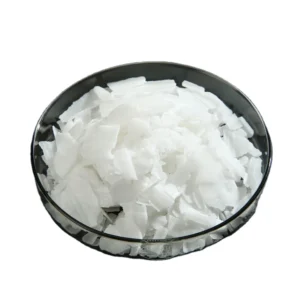
Also known as lye or caustic soda, sodium hydroxide is a highly versatile chemical with a wide range of industrial applications. It is a white, solid, highly caustic metallic base and alkali salt. We supply caustic soda in flake form, which is preferred for ease of handling and dissolution.

Every batch undergoes rigorous quality testing in certified laboratories to ensure consistency and compliance with specifications. We provide complete documentation including Certificate of Analysis (COA), Material Safety Data Sheet (MSDS), and Technical Data Sheet (TDS) with every shipment.

Technical Specifications

Parameter
Specification
Test Method

NaOH Content

98.0% min

Titration (ASTM E291)

Na₂CO₃ (Sodium Carbonate)

0.5% max

Titration

NaCl (Sodium Chloride)

0.03% max

Titration

Fe₂O₃ (Iron Oxide)

0.004% max

Colorimetry

Appearance

White Flakes

Visual inspection

Molecular Weight

40.00 g/mol

-

Melting Point

318°C (604°F)

DSC

Solubility in Water

111 g/100 mL (20°C)

-

Industrial Applications

🏭 Pulp & Paper Industry

Used in pulping and bleaching processes. Essential for kraft process in paper manufacturing. Helps in delignification of wood chips.

👔 Textile Industry

Mercerization of cotton fabrics for improved strength and luster. Used in dyeing and finishing processes. pH adjustment in textile processing.

⚗️ Chemical Manufacturing

Production of various organic and inorganic chemicals. Used in synthesis of sodium salts, detergents, and soaps. pH neutralization agent.

💧 Water Treatment

pH adjustment in water and wastewater treatment plants. Neutralization of acidic effluents. Precipitation of heavy metals.

🧼 Soap & Detergents

Saponification process in soap manufacturing. Production of liquid detergents and cleaning agents. Essential raw material for household cleaners.

🍔 Food Processing

Food grade caustic soda used in food processing (separate specification). Peeling of fruits and vegetables. Processing of cocoa and chocolate.

⛽ Petroleum Refining

Refining of petroleum products. Removal of sulfur compounds. Production of sodium phenolate.

🏗️ Construction & Building

Aluminum processing and anodizing. Cleaning and degreasing metal surfaces. Concrete admixtures.

Packaging & Storage

Packaging Options
  • Standard Packing: 25kg HDPE bags with PE liner
  • Bulk Packing: 50kg HDPE bags with PE liner
  • Jumbo Bags: 500kg/1000kg FIBC bags (on request)
  • Container Load: 27 MT per 20′ FCL without pallets
  • Container Load: 25 MT per 20′ FCL with pallets
Storage Guidelines
  • Store in cool, dry, well-ventilated area away from moisture
  • Keep containers tightly closed when not in use
  • Store away from incompatible materials (acids, metals, organic materials)
  • Avoid exposure to atmospheric moisture as it is hygroscopic
  • Storage temperature: Ambient (15-25°C recommended)
  • Keep away from direct sunlight and heat sources
  • Follow proper stacking procedures to prevent damage
Shelf Life

12 months from date of manufacturing when stored under recommended conditions in original, unopened packaging.


Safety Information & Handling

⚠️ WARNING: Highly Corrosive Material

Sodium Hydroxide is a highly corrosive substance. Proper safety precautions must be followed during handling, storage, and use. Always refer to the complete MSDS before handling.

Personal Protection Equipment (PPE)
  • Eye Protection: Chemical safety goggles or face shield (mandatory)
  • Hand Protection: Chemical-resistant gloves (rubber, neoprene, or PVC)
  • Body Protection: Chemical-resistant apron or full protective suit
  • Respiratory Protection: Use in well-ventilated areas; respirator if required
  • Footwear: Chemical-resistant safety boots
First Aid Measures
  • Eye Contact: Immediately flush with plenty of water for at least 15 minutes. Seek medical attention immediately.
  • Skin Contact: Remove contaminated clothing. Wash affected area with plenty of water and soap. Seek medical attention if irritation persists.
  • Inhalation: Move to fresh air immediately. If breathing is difficult, give oxygen. Seek medical attention.
  • Ingestion: Do NOT induce vomiting. Rinse mouth with water. Give water or milk to drink. Seek immediate medical attention.
Fire Fighting Measures

Non-combustible. However, contact with water generates heat and may cause spattering. Use dry chemical, CO₂, or water spray to fight fires involving caustic soda. Wear full protective equipment including self-contained breathing apparatus.

Spill & Leak Procedures
  • Evacuate area and ventilate thoroughly
  • Wear appropriate PPE before cleanup
  • Contain spill to prevent environmental contamination
  • Neutralize with dilute acid (under professional supervision)
  • Collect material and place in appropriate disposal containers
  • Flush area with water after cleanup


For complete safety information, please download and refer to the Material Safety Data Sheet (MSDS)

Product Description

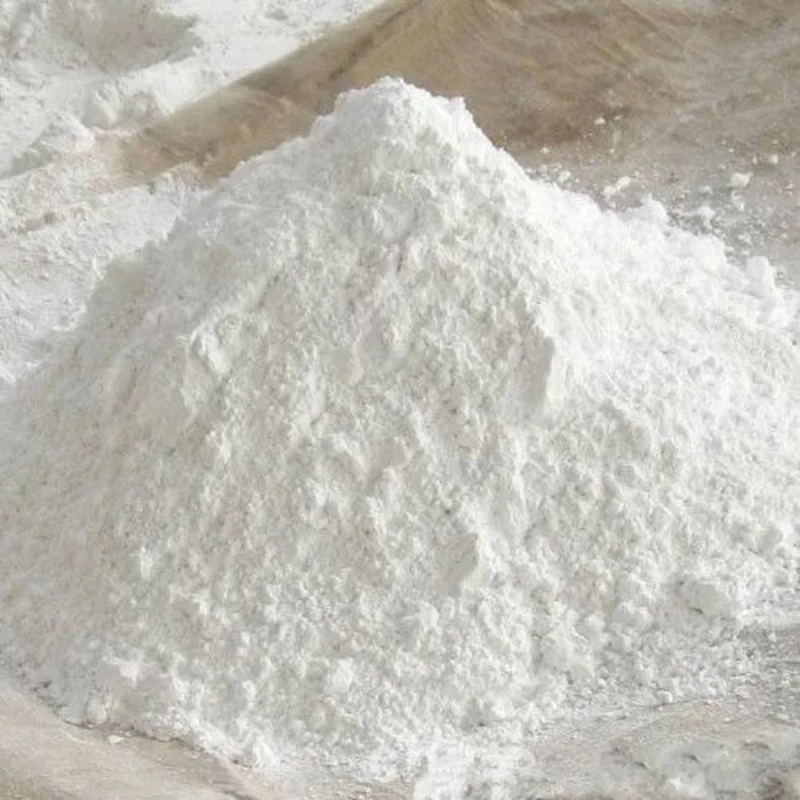
Talc mineral is widely used as a filler in the plastic industry. Its particles can improve the rigidity of products such as vinyl, polypropylene, nylon, and polyethylene. It can also reduce shrinkage and improve the heat resistance of products.

Talc uses in the ceramics industry to manufacture ceramic tile, bathroom fixtures, dinnerware and pottery.

Talc uses as a filler and extender in paints. It helps paint to adhere to the wall without sagging because talc particles increase the suspension of solids. In the paper manufacturing industry, Talc uses as a mineral filler that can increase the opacity, brightness, and whiteness of the paper. Talc can also improve an ability of the papers to absorb ink.

Talc is softness lets it be removed and applied without any skin problem, that is why it is used to produce many cosmetic products with finely ground talc.

To increase the weather resistance of roofing materials, talc mineral is used with asphaltic materials. Ground Talc has a high-temperature resistance ability which helps it to be used as a lubricant in different applications where high temperatures are involved.

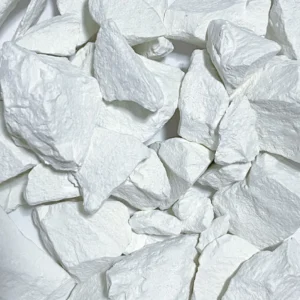
  • Talc is a hydrated magnesium silicate mineral.
  • It is the softest mineral on the Mohs hardness scale (hardness = 1).
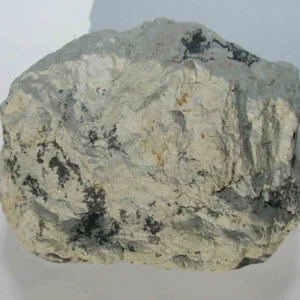
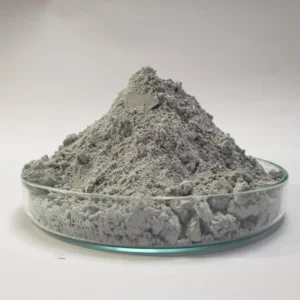
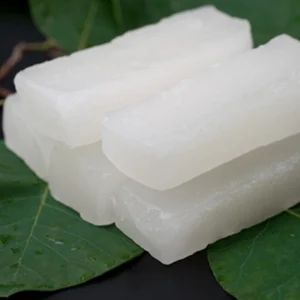
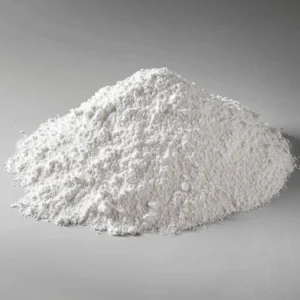
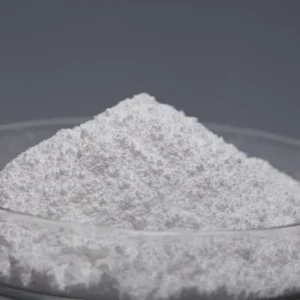
  • Appearance: Usually white to gray-green, odorless, and greasy to touch.
  • Chemical Formula: Mg₃Si₄O₁₀(OH)₂.
  • Highly resistant to heat, electricity, and acids.
  • Excellent lubricating and anti-caking properties.
  • Available in forms: powder, lumps, and processed micronized grades.

Talc is an odorless and mixture of clay minerals and hydrated magnesium silicate. It is an ordinary silicate mineral that is non-identical from nearly all other minerals by its greatest softness. It is a natural mineral.

Talc is a soft sheet is made from a layer of hydroxyl octahedral/magnesium-oxygen, jammed between two layers of tetrahedral silica. The head surface is known as the basal of the elementary sheet. Talc mineral contains neither active ions nor hydroxyl groups, which help talc making inert and hydrophobic.

Talc is insoluble in weak acids and alkalis and in water. It has very little chemical reactivity and is not flammable. Talc at 900°C loses its hydroxyl groups drastically and above 1050 C, It re-crystallizes into different forms. Talc has a melting point of 1500°C.

Talc can get in different colors like, pale green, blue, pink, gray, white, yellowish, or brownish white. Naturally, Talc is hydrophobic and it does not absorb the water, therefore it gives water-resistant characteristics. Talc in powdered form mixes with corn starch is mainly used as baby powder.


Technical Specifications

ParameterSpecificationTest Method

Industrial Applications

Cosmetics

Used in body powders, baby powders, and makeup for smoothness and moisture absorption.

Paints & Coatings

Acts as a filler and improves durability, adhesion, and appearance.

Plastics & Rubber

Enhances stiffness, heat resistance, and processing of materials.

Ceramics

Used in tiles, sanitaryware, and tableware for improved strength and whiteness.

Paper Industry

Serves as a filler and coating agent to improve printability and smoothness.

Pharmaceuticals

Used as a glidant and in tablet production to prevent sticking.

Food Industry

Approved as an anti-caking agent (in regulated amounts).

Agriculture

Used in fertilizers and pesticides as a carrier and anti-caking agent.

Personal Care

Found in soaps and detergents for texture and moisture control.

Construction

Added to roofing materials, sealants, and caulks for reinforcement.

Packaging & Storage

Safety Information & Handling

Sample Request Guidelines

Need help sourcing
the right chemical?

Need Chemicals? Get Expert Guidance

Delivered Worldwide

Connect BTTCO Now

whatsapp qrcode

Whatsapp

alibaba qrcode

Alibaba