In the world of baking, a single teaspoon of spice can be the difference between a flat flavor and a masterpiece. While we often focus on the brand of butter or the protein content of our flour, the secret to a truly transformative chocolate croissant or spiced loaf lies in sustainable agriculture.
Sustainable farming isn’t just a buzzword for the environment; it is a blueprint for superior flavor. Here is how ethical, earth-first farming practices create the premium spices that elevate your baking.
1. Soil Health Equals Flavor Intensity
In sustainable farming, soil is treated as a living ecosystem rather than just a medium for growth.
The Result: Spices like cinnamon and ginger develop higher concentrations of essential oils. For a baker, this means a more potent aroma and a flavor that doesn’t “bake out” in the oven.
The Mineral Edge: By using organic compost and avoiding harsh chemical fertilizers, farmers maintain a rich mineral profile in the soil.
2. Biodiversity and Natural Defense
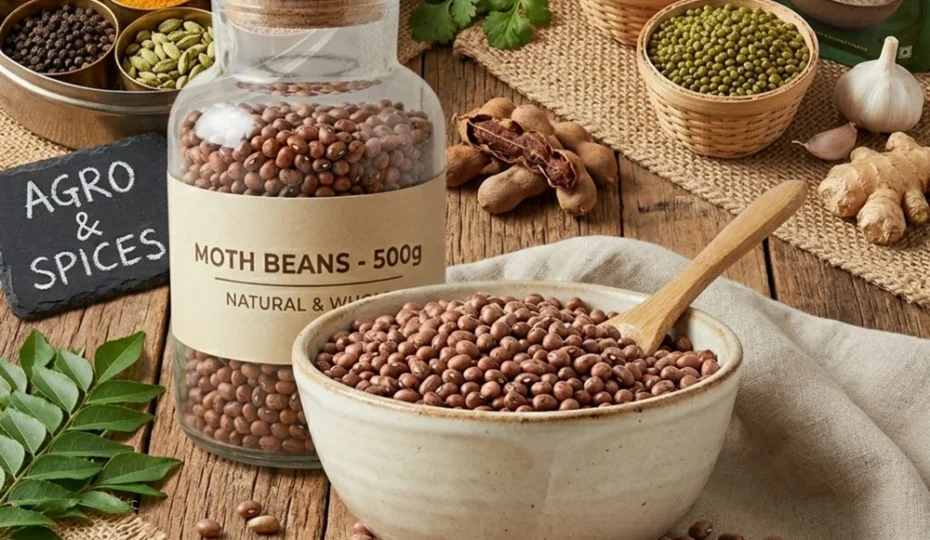
Industrial farming often relies on monocultures—growing only one crop over vast areas. Sustainable farms embrace biodiversity, planting spices alongside fruit trees or legumes (like Moth Beans).
The Result: Your spices remain pure and clean. When you grate nutmeg or add cardamom to a delicate dough, you are tasting the spice in its most authentic, chemical-free form.
Natural Protection: This diversity creates a natural barrier against pests, eliminating the need for synthetic pesticides.
3. The “Slow Growth” Advantage
Sustainable agriculture often follows the natural rhythm of the seasons rather than forcing growth with hormones or intensive irrigation.
- Patience Pays Off: Spices that are allowed to mature at their own pace have more time to develop complex chemical compounds.
- The Result: Vanilla beans become plumper and more fragrant, and cloves retain a sharper, cleaner bite. These “slow-grown” traits provide the depth of flavor required for professional-grade pastries.